The Eyes and the Tongue: Gateways to Subtle Energy
Over the years, I have been amazed by how our body parts are intricately connected, with even the smallest body parts holding great potential for transformation. In Hatha Yoga, we learn how to master basic bodily functions and tap into deeper energies, awakening hidden centres of power within us. Today, let’s explore the remarkable abilities of the eyes and the tongue—two often-overlooked organs that play vital roles in advanced yogic practices, especially in mudras and meditation.
The Eyes: Magnetising the Brain
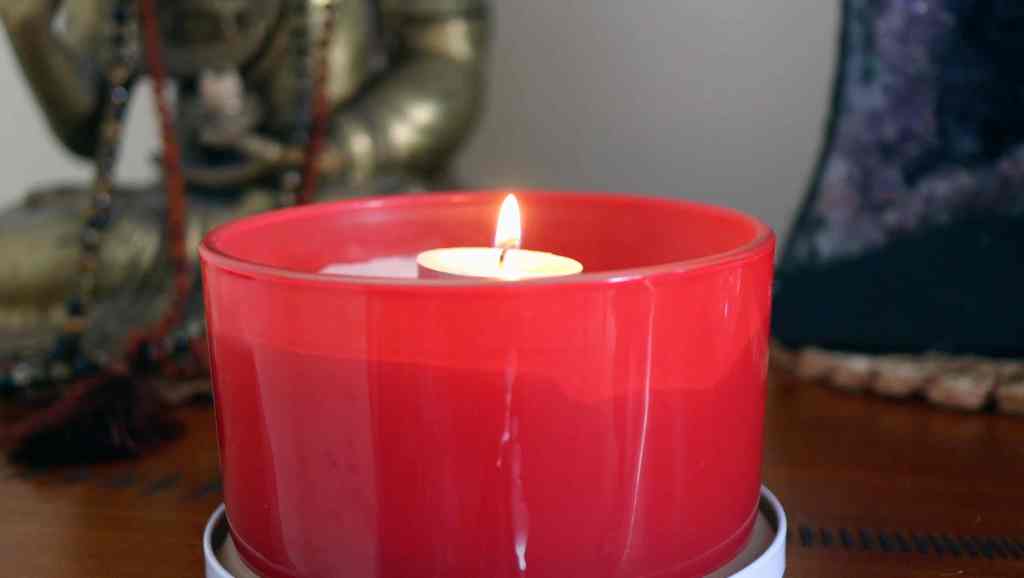
Our eyes do much more than help us see the world around us—they serve as a powerful link to the brain’s higher and more subtle energies. I have experienced seeing the cosmos too while in meditation by fixing the eyes to the forehead region. In advanced yogic practices, techniques like Shambhavi Mudra (gazing towards the eyebrow centre), Nasikagra Mudra (nosetip gazing), and Trataka (candle or gazing at an object steadily) use the eyes to decrease brain activity.
From a neurological perspective, the eyes are deeply connected to the brain, with the retina and optic nerve acting as direct extensions of it. When we intentionally focus our gaze, these connections influence key regions like the pineal gland and hypothalamus, which regulate sleep cycles, hormones, and overall balance in the body. For example, looking upwards at the space between the eyebrows in Shambhavi Mudra activates areas of the brain that enhance focus, memory, learning, emotional stability, and intuition. Similarly, Nasikagra Mudra, where the gaze is fixed at the tip of the nose, can stabilise the mind even further, reducing mental restlessness.
This isn’t just symbolic—scientific studies reveal that focused attention during meditation, yoga nidra and savasana (deep relaxation) can shift brainwave patterns to alpha, theta and even gamma states, which are associated with deep relaxation, heightened awareness, and mental clarity. The eyes also play a role in aligning our inner rhythms with natural cycles, helping us withdraw from external distractions (pratyahara) and explore altered states of consciousness, such as hypnosis or deeper subconscious awareness.
The Tongue: Irrigating the Body
As I deepened my practice, I began noticing how my tongue grew more sensitive, almost as if it was naturally guiding me to uncover my body’s hidden energy flows. I had never paid much attention to the tongue before, but its role in my practice became unavoidable. Many mornings, I would wake to find my tongue naturally pressed against my hard palate, a natural occurrence of Nabho Mudra. Learning Khechari Mudra (extending the tongue into the nasopharyngeal cavity) also felt intuitive, as if my body was already preparing for it. Not only that these mudras strengthen my inner awareness, I also use them to replenish my ojas (creative tissues) and increase my ability to absord energy from food, wate and breathing. They are so helpful for purifying subtle centres that asanas alone cannot access.
Physiologically, these mudras activate the cranial nerves and stimulate the hypothalamic-pituitary axis. This triggers the release of neuropeptides and cerebrospinal fluid (CSF) substances, which yogic tradition refers to as Soma—the essence of life. Nabho Mudra, for example, supports the activation of the Sushumna Nadi (the central energy channel), enabling the free flow of prana (life force) through the chakras while also calming the brain. Khechari Mudra, on the other hand, cleanses bodily stagnation as well as clears and purifies the nasal and throat channels, improving breath flow. These practices allow me to delve deeper into meditative states, including Kevala Kumbhaka (breathless state), an essential state leading to Samadhi.
Additionally, these mudras benefit the parasympathetic nervous system, promoting relaxation and the restoration of vital energy. The tongue’s connection to the vagus nerve plays a key role in regulating essential functions such as heart rate, digestion, and respiration. By incorporating these mudras into my practice, I’ve observed how they “irrigate” the body, promote internal balance and overall sense of freedom.
The eyes and tongue work to facilitate deep purification processes. The eyes can absorb the brain, enhancing focus and perception, while the tongue balances the body’s energy and nervous system. They play a vital role for greater vitality, mental clarity, and meditative depth, making them indispensable tools in my practice.
Preparing the Body: Asanas and Regular Exercise
However, these subtle capabilities require preparation through systematic opening, strengthening, and mobilising the body. Asanas are foundational in making the body strong, supple, and mobile. Complementary practices such as weight training, calisthenics, and cardiovascular exercises can support physical resilience. These preparatory steps ensure the body is ready for the deeper dimensions of Hatha Yoga.
Subscribe to get access
Get the complete programme by subscribing now.
Become a Skilled Hatha Yoga and Meditation Teacher
- Learn Traditional Yoga Practices: Deepen your understanding of asana, pranayama, mudra, and meditation techniques of Hatha Yoga. Contemporary flows shall be taught as well.
- Refine Your Teaching Skills: Develop the art of impactful instruction and confident demonstrations to inspire and guide your students effectively.
- Advance Your Self-Practice: Continuously grow through advanced training, workshops, and professional development, enhancing both personal and teaching practices.
Training starts in February 2025!
 Sukha Yoga
Leave a comment