On Khechari Mudra
Had a question. When you slept at night with the Khechari, did you notice any change in dreams? Were you able to become lucid? Are there times the nectar is secreted while you sleep? Spiritual teachers speak of the tongue being related to either the conscious/subconscious mind, and when performing Khechari it seems you shut off your logical mind and use more of your right brain artistic side. I am interested in getting to the flow state of creativity where your subconscious mind flows freely, so my question is do you think Khechari is a good way for this to happen?
My Explanation
The physical technique alone doesn’t have much effect on our energy or subtle body. Khechari Mudra is the culminating technique of Hatha Yoga, preparing us for meditation, so it’s important to learn the basics first.
For me, Khechari Mudra happens naturally during sleep. My tongue doesn’t go behind the uvula, but it seals against that crease where the hard palate touches the soft palate at the back of the mouth. I find this even more powerful than doing it Khechari mudra consciously. Every night, our tongues move inside to create space for physical, energetic, and spiritual cleansing, even if we’re not aware of it or familiar with yoga. That is why sufficient and restorative sleep is important for our health and well-being.
The tongue is the pathway to our inner world—connecting us to dreams, vibrations, old traumas, frustrations, desires, aspirations, fears, untapped creative potential, and deep-rooted memories from the past. I also use it to bring out my primal energy from the hips, letting it rise to my brain for deeper energy absorption during meditation.
When Hatha Yoga is practised fully and correctly, Khechari Mudra can combine all the earlier techniques in one. You just have to sit and do it—it’s a complete practice on its own.
As for the nectar (soma), I experience it regularly, even during the day when I’m active. But one technique that really brings it out powerfully isn’t Khechari Mudra—it’s Bhastrika Pranayama.
On Immortality
It’s known that there is the spot of the nectar of immortality.
Spiritual Boundlessness
Immortality isn’t about the physical body, but about energetic and spiritual boundlessness. When the primal force unites with the soma in the brain, something profound happens.
The soul awakens and detaches from the body. Consciousness becomes distinct from our physical form. It is separate from the body, the breath and its vital systems. It carries with it all in information from our subconscious and our past. This occurs during Samadhi. Therefore, we can bear witness to what happens after our physical death.
This experience reveals what immortality truly means—realising our divine essence while living a mortal life. God, in its pure state, is passive and non-reactive, but to feel its own presence, it takes on a form—and that form is us. Through us, God experiences life. After death, our energy moves on, seeking its next host, continuing the journey toward full liberation.
On Preserving the Creative Energy
Hello, I wanted to ask if it is true that practicing Khechari mudra (allows) you get control over ejaculation? And you get much more strength and physical endurance? Thank you, Namaste.
Khechari Mudra and Ojas
I will discuss this topic from the perspective that the person is consistently following the techniques of hatha yoga and has devoted years on asana and pranayama before practising the Khechari Mudra.
In Khechari mudra, the tongue assists the body’s internal mechanisms in processing the breath and its energetic by-products. This includes the five vayus (subtle air and prana) as well as directing them to the dormant centres in the brain.
If practised with specific pranayama, the tongue can also reinforce the cleansing and purification of the nadis (energy pathways) leading to more efficient absorption and metabolism of energy – from the vital organs all the way to cellular processes.
The Khechari mudra has a powerful impact to the brain, particularly the pituitary gland where our sexual functions, specifically for this discussion, the production of semen in men and egg cell in women as well as controlling libido. Here’s how:
- Hormone Production: The pituitary gland releases key hormones that control reproductive functions. In males, it secretes Follicle-Stimulating Hormone (FSH) and Luteinizing Hormone (LH). FSH stimulates the production of sperm in the testes, while LH stimulates the production of testosterone, which is vital for libido and sperm production. In females, FSH and LH regulate the menstrual cycle, stimulate egg maturation, and trigger ovulation. (Nazia M. Sadiq; Prasanna Tadi, National Library of Medicine; Physiology and Pituitary Hormones)
- Libido Control: The pituitary gland influences libido through the hormones it releases. In men, the hormones produced by the pituitary gland regulate testosterone levels, which affect sexual desire. In women, the pituitary gland helps regulate the menstrual cycle and ovulation, which can impact libido.
- Feedback Mechanisms: The pituitary gland also responds to feedback from the hormones produced by the gonads (testes in men and ovaries in women). This feedback helps maintain hormonal balance and ensures appropriate levels of sex hormones are available for reproductive health and libido.
- There is also what we call Feedback Inhibition, where, together with limiting our sexual activities, we influence the pituitary gland in releasing the stated hormones, thus, decreasing our sexual desire and interest. This is the science behind the Vajroli Mudra. The tongue can actually assist sense and mind control for the accomplishment of Bramacharya (moderation of common pleasures).
Practising control and discipline over one’s vital function is very difficult and if done with haste can lead to internal conflict and mental issues. Hatha Yoga, teaches us how to achieve this spiritual state without inflicting pain and suffering. And overall, Khechari mudra, an advanced hatha yoga technique, enhances this balance by influencing hormonal production and energy flow, contributing to the profound understanding and control over the stated aspects of our being safely and sanely.
My Teachings
I regularly post lessons on topics that are rarely discussed. They all come from my practice, where I focus on the deeper concepts, drills, and essence behind the prescribed techniques of hatha yoga. What is written in the books is often just the surface; the true meaning only becomes clear through years of dedicated and unwavering practice. Grace reveals itself. This is the inspiration behind all my teachings.
-

The Prana and Apana Vayu: The Dance of Life // How to Dissolve Toxins in the Body?
Ama, or bodily toxins from undigested food, accumulate in the digestive system as we age. This toxin buildup leads to weight gain, muscle loss, and sluggishness. Over time, Ama can weaken bones, cell damage, and increrase in fats and cholesterol levels.
-

Diwali and Meditation
When I rose for my daily practice that day, I noticed our Peace Lily had blossomed with two new buds. It felt like a beautiful coincidence, as this graceful plant symbolises enlightenment and spiritual growth.
-
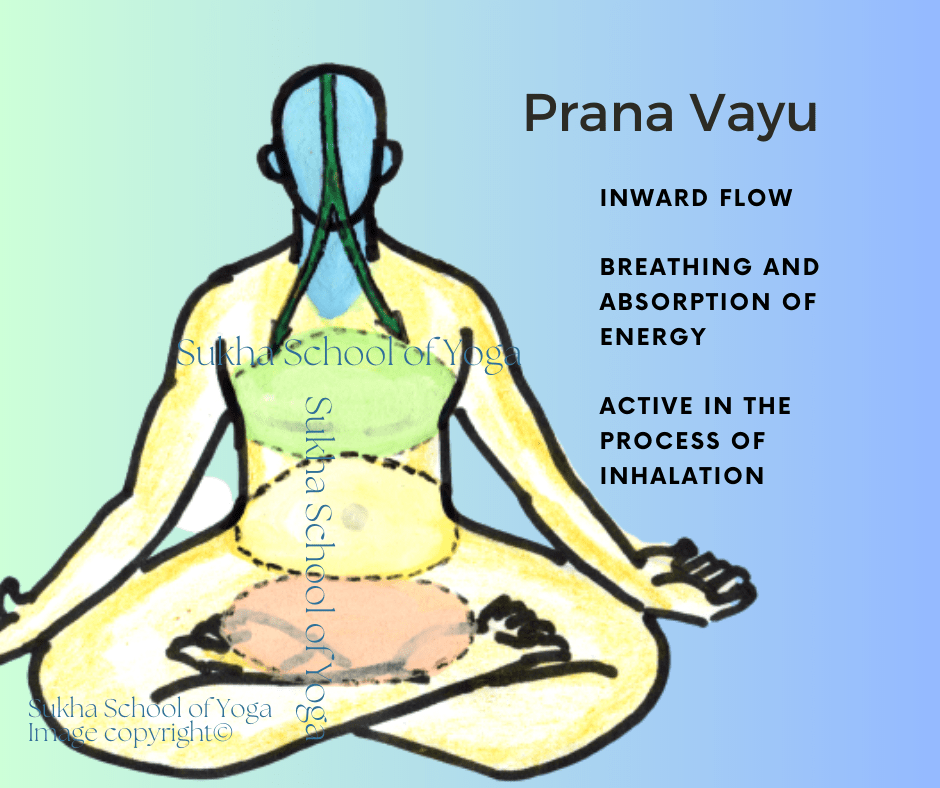
Bhastrika Pranayama and Kapalbhati: In-Depth Comparisson and Recommendations
This bhastrika pranayama quickly activates prana (vital life force), allowing it to penetrate the nadis and clear them off of impurities. But it should be practised sparingly. Overdoing it can deplete the brain’s soma, leading to cell damage, pranic imbalances, and over stimulation of the nervous system.
-
The Muladhara and Ajna Chakra – Pathway to Ascension
The goal of Hatha Yoga lies is balancing the Ida (negative) and Pingala (positive) nadis. When these energies are in harmony, the brain’s activity calms to a base level, creating an ideal state for deeper awakening and spiritual transformation.
-
Exploring Khechari Mudra: Q&A on Dreams, Creativity and Immortality / Open Lesson
Every night, our tongues move inside to create space for physical, energetic, and spiritual cleansing, even if we’re not aware of it or familiar with yoga.
-

Unlocking Hatha Yoga: Beyond Basics / The Science of Enlightenment / With Guided Classes
Attempting to control the mind while the body is blocked and plagued with common pleasure is not only risky but counterproductive. The body must first be purified before any meditative and spiritual gains can occur.
Support me
Your donation will help me create of more valuable lessons and help keep this website current and free of ads.
Make a one-time donation
Make a monthly donation
Make a yearly donation
Choose an amount
Or enter a custom amount
Your contribution is appreciated.
Your contribution is appreciated.
Your contribution is appreciated.
Subscribe
Enter your email below to receive updates.
 Sukha Yoga
Leave a comment