
The Original Sin
The term nadis refers to the subtle energy channels within the body, and they constitute the energetic blueprint of our existence. Nadis carry prana, the vital life force, much like veins and arteries transport blood in the physical body. It is said there are 72,000 nadis (some texts say there’s around 300,000+ of them), with three primary ones—Ida, Pingala, and Sushumna—being the most significant. Ida, on the left side, represents the moon’s cooling energy. Pingala, on the right side, embodies the sun’s warming energy. Sushumna, running along the spinal cord, serves as the central channel through which spiritual awakening flows. However, these nadis can become blocked with impurities such as toxins, stress, and psychological trauma, disrupting the free flow of energy.
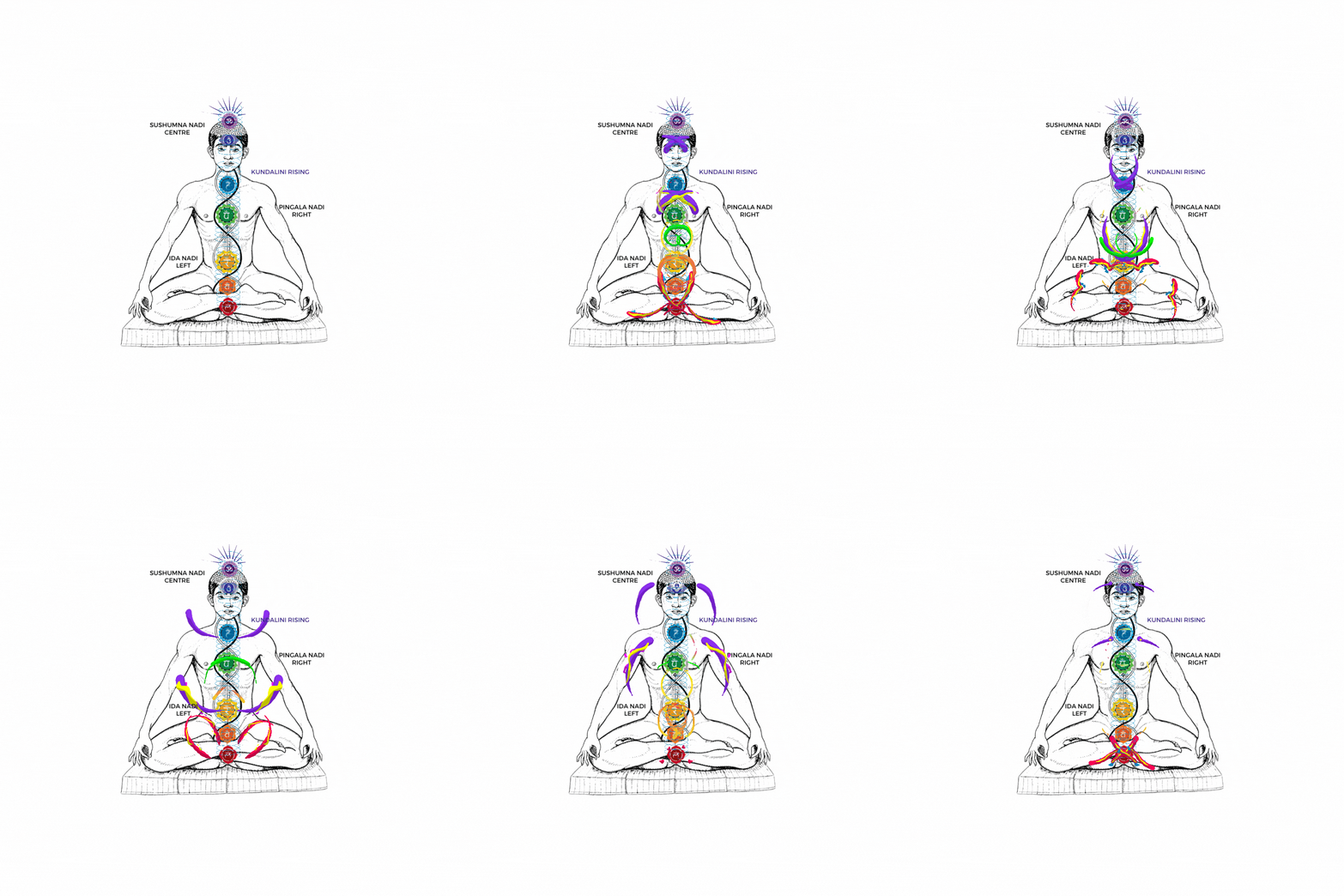
Yogic practices like pranayama and mudras are essential for cleansing and revitalising these nadis. Pranayama, or breath control, regulates and expands the flow of prana while flushing out impurities from the nadis. Techniques like Nadi Shodhana (alternate nostril breathing) help purify the nadis, while Kapalabhati (skull-brightening breath) and Bhastrika (bellows breath) energise and detoxify the system. Gentler practices like Sitali (cooling breath) and Bhramari (humming bee breath) calm and soothe the mind and body. These techniques not only clear energy pathways but also prepare the body and mind for deeper meditation.
In Hatha Yoga, mudras are not just symbolic hand gestures but energy-channelling techniques that prevent energy from dissipating. First, mudras harness and direct the subtle force to a midline, bind these various energies as one, and directs the unified force to the brain, allowing practitioners to focus deeply during meditation. Mudras include body locks such as Mula Bandha (root lock), Uddiyana Bandha (core lock), and Jalandhara Bandha (throat lock), which direct and retain energy in the body.
Among the most powerful mudras are the subtle engagements of the eyes (Shambhavi Mudra) and the tongue (Nabho Mudra and Khechari Mudra). These practices work in harmony with pranayama to amplify energy flow, purify the nadis, and enhance their ability to hold healing energy.
The Science of Self-Discovery
Hatha Yoga is a highly effective and systematic approach to purifying and preparing the body for deeper practices. It provides a comprehensive training system that begins well before a student steps onto the mat. The journey starts with the shatkarmas, or cleansing techniques, which remove toxins and blockages, allowing energy to flow freely through the body.
In addition to physical cleansing, Hatha Yoga emphasises adopting healthier eating habits and cultivating discipline and consistency. These changes are essential to align the body and mind with the practices. Every organ is strengthened and developed according to the individual’s capacity and purpose, ensuring a personalised and sustainable progression.
Moreover, Hatha Yoga facilitates a profound transformation in the brain, which undergoes a kind of rewiring. This process optimises the flow of electrical impulses, supporting the proper functioning of vital organs and enhancing overall mental clarity.
The student is guided gradually, learning to integrate the practices step by step under the teacher’s supervision. Eventually, they gain the knowledge and confidence to explore these techniques independently, ingraining a lifelong connection with their practice. This holistic approach makes Hatha Yoga not just a physical exercise but a complete system for personal growth and self-discovery.
Preservation of Energy
Nadis are like sponges—they absorb everything we take in, from food and vitamins to our thoughts and actions, whether positive or negative. Even our physical and psychological stress and trauma accumulate in the nadis. To keep the nadis in good shape, it’s important to lead a balanced life. This means eating healthy food, avoiding harmful habits like smoking and drinking, staying active with regular exercise, practising yogic breathing exercises and keeping a healthy balance between work and personal life.
When the nadis are purified, they can store more energy than the body typically needs. We use this extra energy while recovering from illnesses, fight infections or during spiritual practices like extended fasting and meditation (sadhana). Personally, I use pranayama and mudras to maintain my energy and nutrient balance during my annual sadhana where I limit my food intake.
The key to experiencing a rich and abundant flow of healing energy lies in energy preservation, which I explore further in the video below.
 Sukha Yoga
Leave a comment