Principles and Benefits
Many of our physiological health issues, including postural imbalances, nerve pain, mental stress and anxiety and malfunction of our vital organs are due to tension in the back of the body. Our natural tendency to bend forward and lie on our backs compresses the disks of our spine. Sitting or standing for long periods of time put a lot of stress on our hips and the spine. Even during sleep, true relaxation is tricky to achieve.
One may think that a restorative programme is easy. It is not simply lying down and sleeping. Restorative yoga requires awareness of the tensions we feel and mindfully breathing through them. Our muscles, joints and even the brain seem to be relaxing, but, on the contrary, there remain heavy, tight and agitated.
Likewise, when we focus on distinctive centres in the body as we do the techniques, we increase their healing potential. A restorative practice is Meditation.
Calming techniques are as important as active asanas. Doing them before the asana practice eases tension in the body leading to a lighter flow of energy. After the asana practice, restoratives allow the Agni (digestive fire) to flow through the nerve centres (chakras) for the rejuvenation of the body and the brain. It also balances the body’s internal temperature.
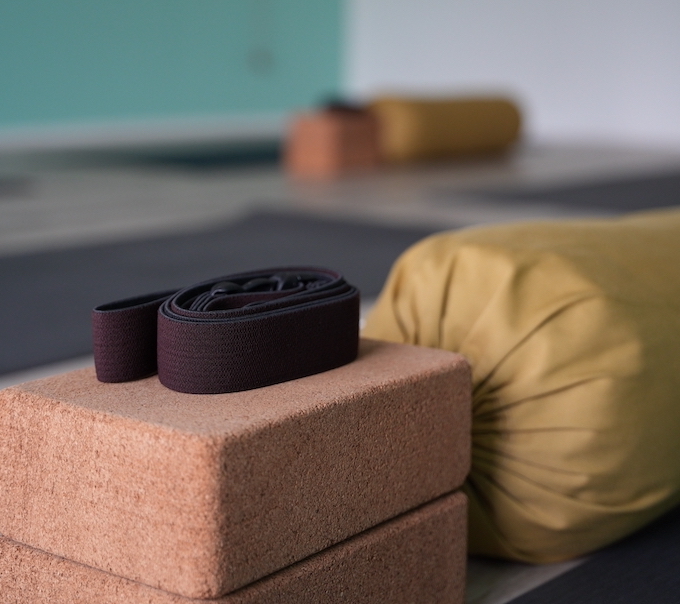
The six techniques in this program are straightforward yet highly effective in relieving nerve compression and cranial pressure. I personally use them to alleviate my scoliosis, and I strongly recommend them for managing lower back pain. If you don’t have a yoga bolster, pillows and folded blankets can serve as suitable alternatives.
The programme can be done before and/or after an active asana. During your slow days, perform them separately. Do them to ease mental fatigue. Hold the postures for a comfortable duration, gently adjusting them as needed.
Subscribe to get access
Read more of this content when you subscribe today.
 Sukha Yoga
Leave a comment