Just as moderate diet is the most important of the yamas, and nonviolence, of the niyamas, so the siddhas know that siddhasana is the most important of the asanas
Hatha yoga Pradipika, Chapter One, Verse 8
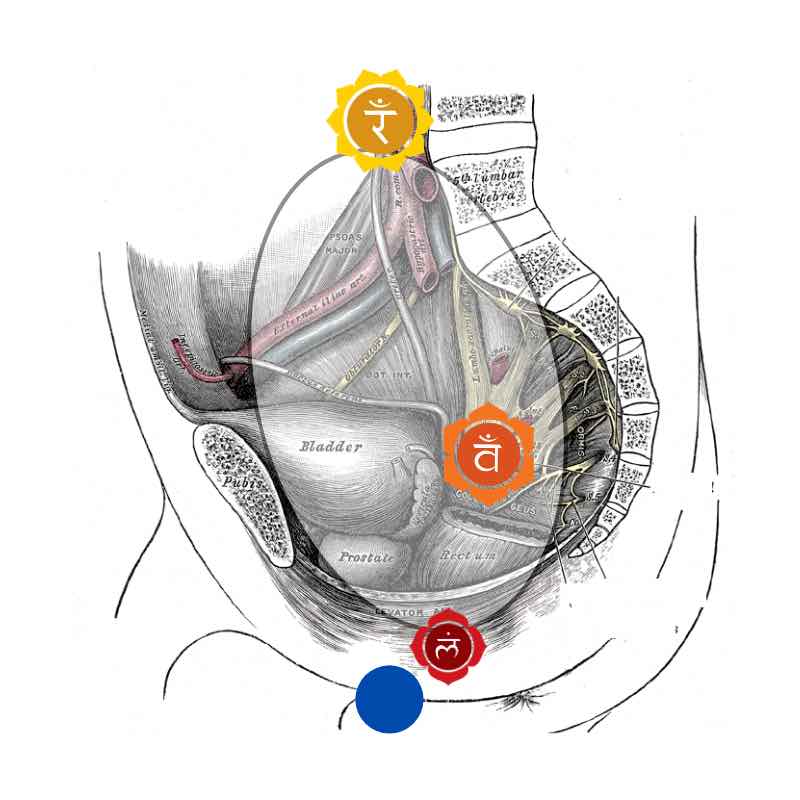
Siddhasana, known as the “accomplished pose,” is highly regarded in Hatha Yoga, particularly for channelling energy and deepening meditation. This asana stimulates nerve clusters linked to dormant centres in hips (muladhara chakra) and the brain (ajna chakra), ultimately, activating them. In women, it is called Siddha Yoni Asana due to the different placement of the heel. Watch the video tutorial below for a clearer understanding of this distinction.
When you master Siddhasana, it can bring together the benefits of many other yoga poses. It helps direct energy through your body, making it easier to reach deep meditation states. It slows down cardio respiratory rate, balances body temperature and helps maintain blood pressure to healthy levels.
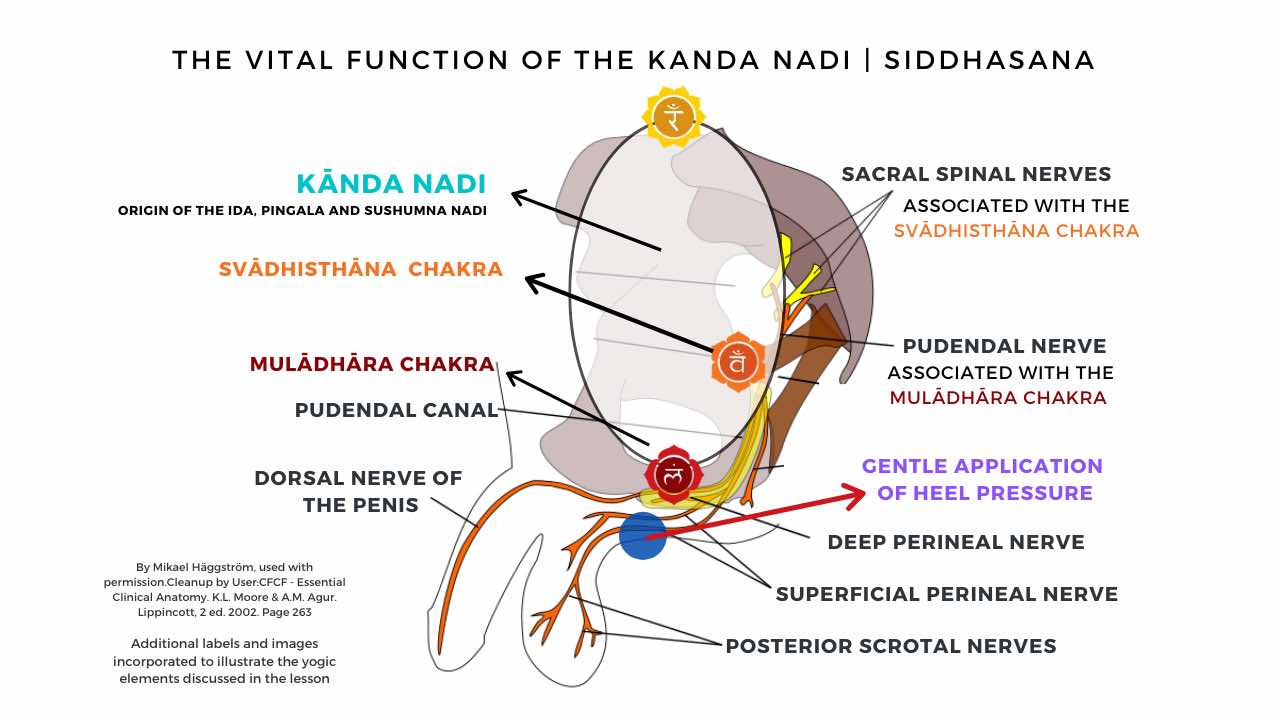
One of its key effects is opening the Sushumna nadi, the central canal by balancing the energy that flows through the ida nadi and pingala nadi. It also activates the Ajna chakra, or third eye, enhancing our sensorial abilities to experience the sublte dimensions.
To get the most out of Siddhasana, it’s often practised with specific techniques like bandhas (energy locks), Ujjayi Pranayama, Bhastrika Pranayama, Khechari Mudra or the Nabho Mudra, Shambhavi mudra and listening to the inner sound, or nada. These methods work together to deepen your meditation and bring you closer to a state of pratyahara or sense-withdrawal. I find the meditative side effects of this combination is immediate, as you will notice during our video class application at the end of this article.
Subscribe to get access
Read more of this content when you subscribe today.
 Sukha Yoga