Category: Ujjayi Pranayama
-
The Ujjayi Pranayama: Beyond the Sound | Open Lesson
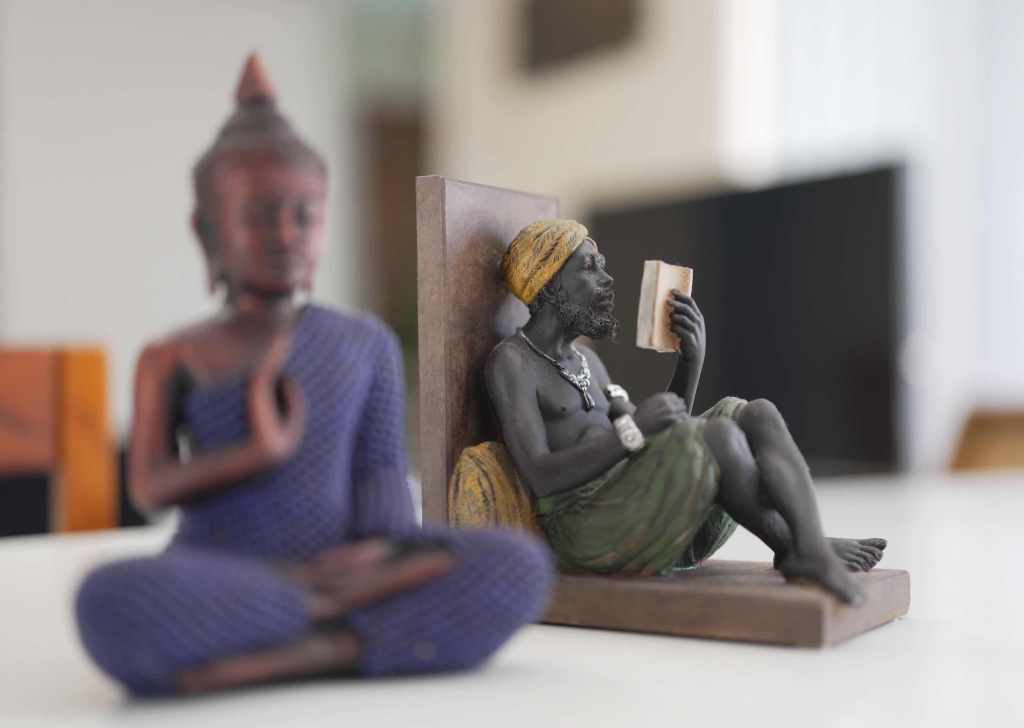
The distinct sound of Ujjayi arises naturally and is not consciously produced. It does not come from the vocal cords, but from the gentle friction created as the breath moves through the throat. The sound is subtle and it feels as though it is perceived by the brain rather than heard by the ears.
-
Technique for Releasing the Somarasa | Pranayama Guided Practice
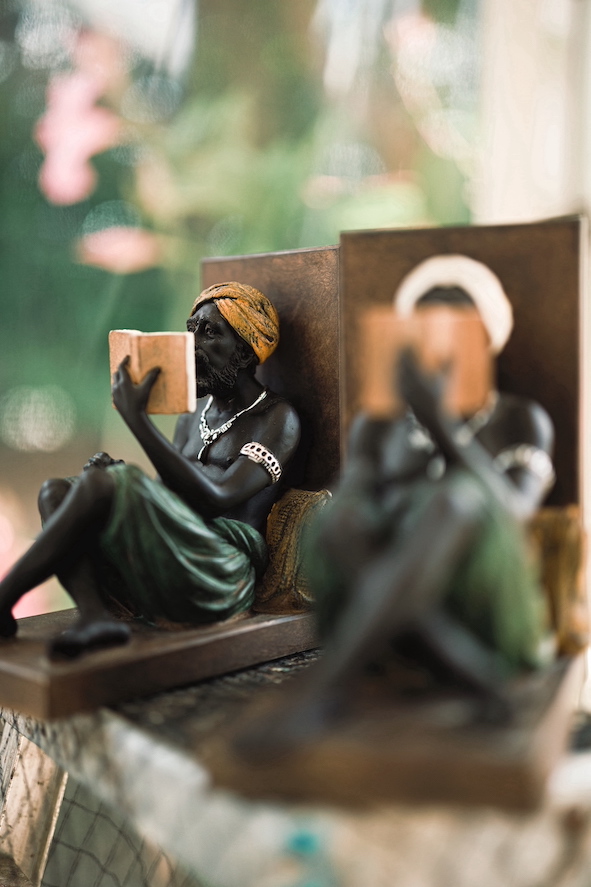
When the body is steady in Sukhasana and the nadis are purified through pranayama, the mind can easily settle on a single point. For me, focusing on the inner sound (nada) leads effortlessly into deep meditation and often samadhi.
-
Develop the Power of Your Eyes and Tongue in Yoga: Energy Channelling Techniques with Guided Classes
The eyes and tongue work to facilitate deep purification processes. The eyes can absorb the brain, enhancing focus and perception, while the tongue balances the body’s energy and nervous system. They play a vital role for greater vitality, mental clarity, and meditative depth, making them indispensable tools in my practice.
-

Mastering Bhastrika Pranayama: Comprehensive Programme with Lectures, Guided Practice, and Key Benefits
Pranayama affects the heartbeat and internal temperature, causing a sudden inward focus of the mind. While advanced pranayamas are very beneficial for meditation, they can be overwhelming if the body is not ready. I recommend focusing the first two years of practice on shatkarmas, asanas, and nadi shodhana.
-

Difference Between Nabho and Khechari Mudras in Hatha Yoga | Energetic Effects Explained
—
by
While Nabho can also regulate energy, it can only reach as deep as the Manipura chakra. Khechari, on the other hand, can influence the energy flow down to the Muladhara chakra.
-
So Hum Meditation | Bindu Visarga | Nabho Mudra | Part Two
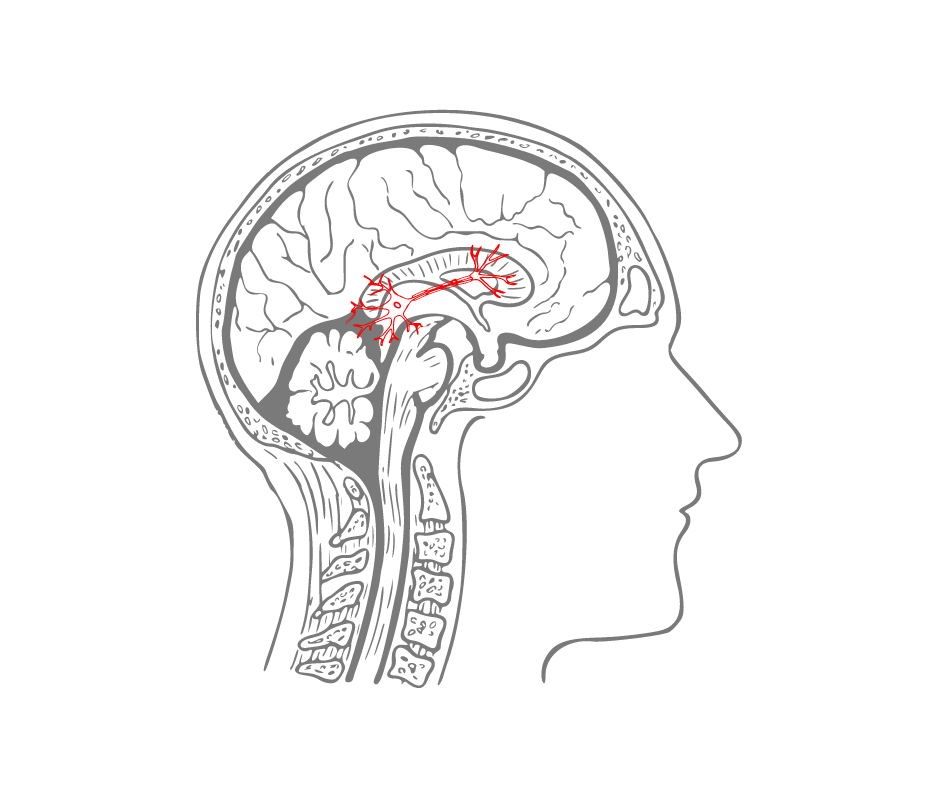
Generally, the pranic vibration in the Manipura chakra is low. Increasing the samana vayu in the core region revitalises the vital organs and awakens the sushumna nadi. Of all nadis, sushumna is the most important.
 Sukha Yoga