Author: Sukha Yoga
-
Breath Regulation for Deeper Meditation – With Class Application
As pranayama practice deepens, dormant centres within the body and brain begin to awaken. These centres which were previously inaccessible naturally absorb the mind during mudra practice, which leads into deeper meditation.
-

Happy New Year 2026 -Asana Practice for Pranayama – Class Application for Ujjayi Pranayama – Open Lesson
Asana is the first step because it creates firmness, lightness, and comfort in the body. A body that is restless, compressed, or unstable cannot support refined breath practices. Through asana, the nadis gradually open, allowing prana to circulate evenly. When pranayama is introduced on this foundation, the energy can penetrate the nadis naturally, without agitation…
-
The Ujjayi Pranayama: Beyond the Sound | Open Lesson
The distinct sound of Ujjayi arises naturally and is not consciously produced. It does not come from the vocal cords, but from the gentle friction created as the breath moves through the throat. The sound is subtle and it feels as though it is perceived by the brain rather than heard by the ears.
-
Hatha Yoga: A Practical Approach
The subtle energy thats is so brimming within transmutes into sound (nada) and vibration (spada). Now, the mind has something to ride on for meditation to happen steadily. I attained my first Samadhi by listening to the nada and it has grown so profoundly through time.
-
The Plavini Pranayama
Plavini is best practised after your asana sequence, to help cool and restore the body. It is also ideal after more active pranayama, where it helps to distribute the awakened energy evenly through the nadis (the body’s energetic channels). This balancing prepares you naturally for meditation.
-
![[Part One] Brahmacharya – Preservation of the Bindu | With Guided Techniques](https://sukhayoganz.com/wp-content/uploads/2025/07/01-full-moon-july.jpg?w=1024)
[Part One] Brahmacharya – Preservation of the Bindu | With Guided Techniques
As this energy becomes more refined, it naturally begins to transform into inner sound (nada) and pulsation (spada). These energetic byproducts are not imaginary; they become clearly perceivable in deep states of practice, especially when the bandhas (energetic seals) are applied with accuracy and sensitivity.
-
Technique for Releasing the Somarasa | Pranayama Guided Practice
When the body is steady in Sukhasana and the nadis are purified through pranayama, the mind can easily settle on a single point. For me, focusing on the inner sound (nada) leads effortlessly into deep meditation and often samadhi.
-
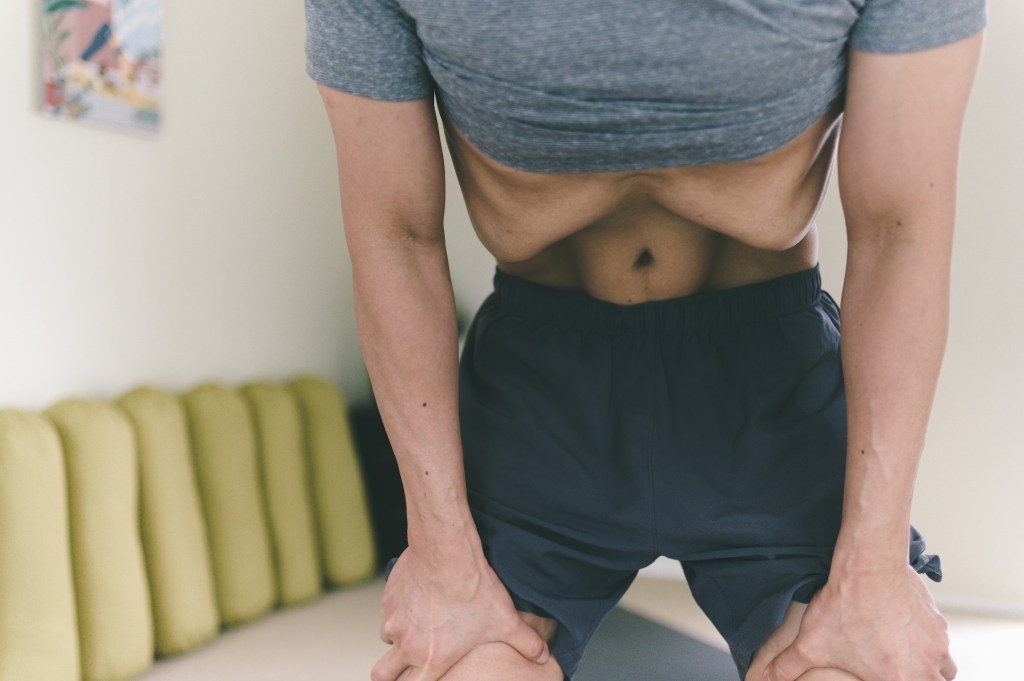
Developing the Bandhas Part Two: A Safe and Meaninful Journey into the Pranic Body
When they become too dominant in your system, they can begin to override your body’s natural rhythms. For instance, they can subtly shift how you breathe – you’ll find yourself breathing through the bandhas, which in itself is a beautiful evolution.
-
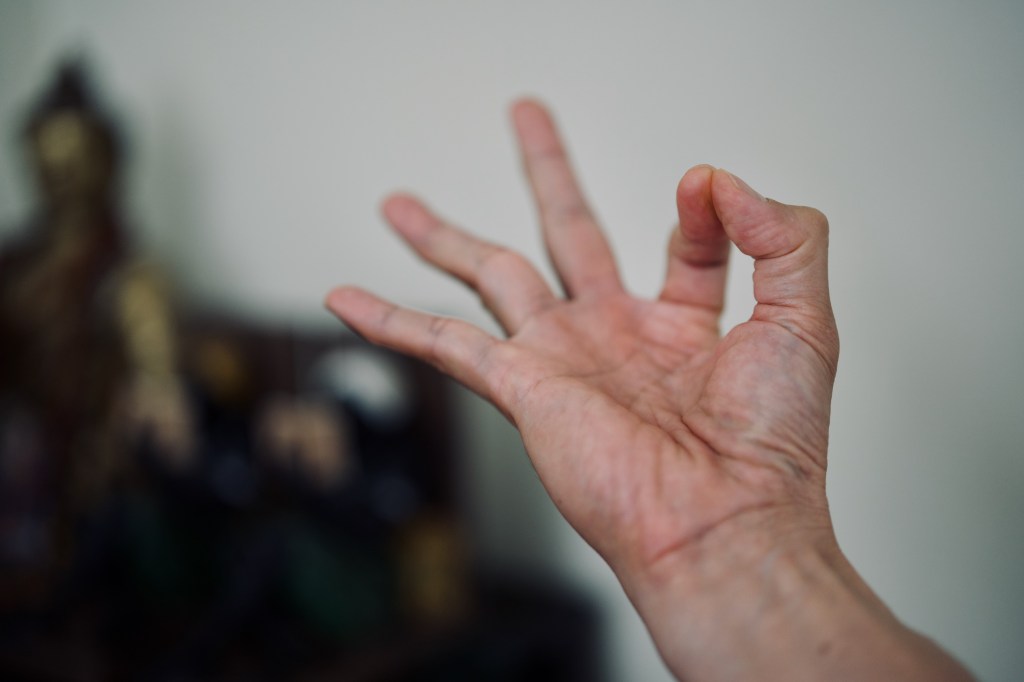
Sadhana 2025: Tapasya – The Actof Spiritual Offering | The So Ham Mantra – Open Lesson
At one point, I began to fade. I felt myself slipping. That’s when the boy deva looked at my hands and pinched my mudra, gently but firmly. “Hold the mudra tight,” he said. I did. The energy stabilised. I could keep going.
-
Good Friday Lesson: The Four Paths to Samadhi | A Personal Experience
In time, I’ve grown to recognise four powerful approaches that can open the door to Samadhi. They may appear unrelated at first glance, but upon deeper reflection, these methods are beautifully interconnected. And though there are many traditions and techniques out there, ultimately they all aim toward the same truth — the same still point…
 Sukha Yoga